


Sleep Insomnia Therapy
Sleep is a naturally recurring state of rest. Sleep is vital for mood, memory, cognitive functioning, immune, and muscular systems. One of the most common sleep disorders is called insomnia. Insomnia is characterized by dissatisfaction with the quality or quantity of sleep. About one-third of adults in the United States complain of insomnia symptoms. Sleep issues can affect many areas of a person’s life, including abilities to work, go to school, and socialize. This is why individuals experiencing sleep issues must find the necessary insomnia therapy.
WHAT ARE COMMON SYMPTOMS OF INSOMNIA?
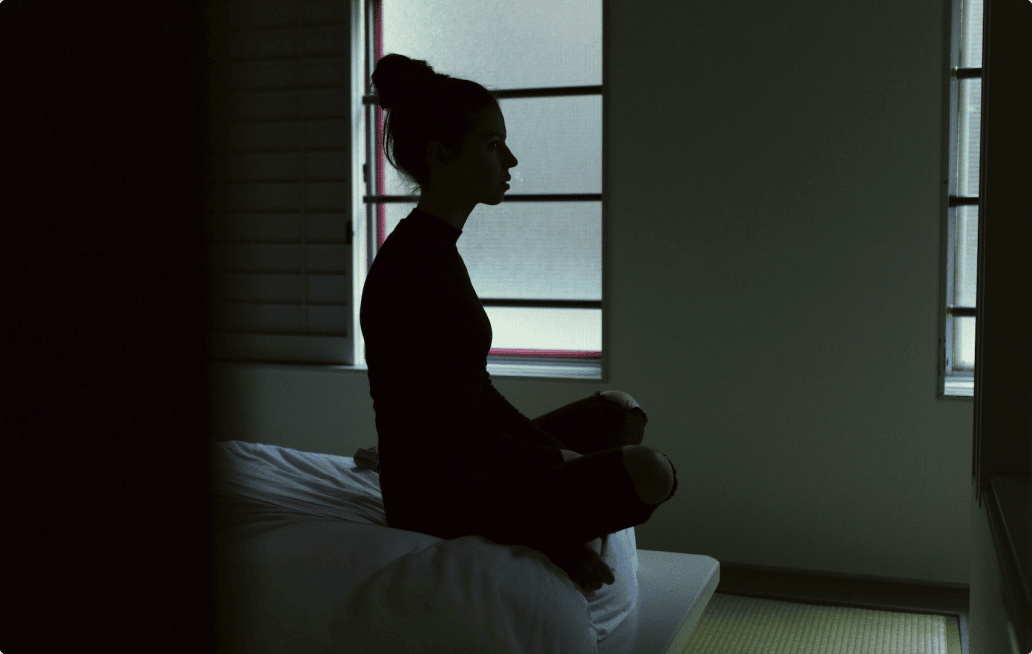
- Difficulties falling asleep: Those in need of treatment for insomnia may find themselves lying in bed for hours, unable to sleep. This can lead to increased feelings of frustration, anxiety, and irritability.
- Difficulties staying asleep: Those with insomnia often express difficulties staying asleep. A common complaint is tossing and turning in bed in an attempt to get comfortable and stay asleep.
- Mid-night awakenings: Many with insomnia may complain of waking up in the middle of the night. This can be a one-time occurrence or waking up multiple times throughout the night.
- Early morning awakenings: Those struggling with insomnia may find themselves waking up early in the morning prior to their alarm going off.
Learn More
Insomnia can be treated with individual and group mental health therapy services. Individual therapy can assist in providing a safe place to process sleep concerns, identify patterns leading to sleep difficulties, and learn skills to assist with sleep.
Group therapy can also serve to provide education on sleep hygiene and skills to assist in sleep.
Medication regimens are another treatment option for insomnia. Sleep medications may be considered to assist with falling asleep, staying asleep, and feeling rested upon waking up.


Book An Appointment Now!
Resources
TIPP skills: A DBT guide to managing intense emotions
Anxiety is something that a substantial portion of individuals struggle with, and it can range from mild to severe. The good news is that research has explored many different coping skills and behaviors that can help manage anxiety and panic attacks. One example of this is TIPP coping skills, which help to regulate your emotions.…
The Self-Deprecation Spiral: Understanding Its Effects on Mental Health
Self-deprecation is a common defense mechanism used by many people. It’s that inner voice that tells us we’re not good enough, that we’re failures and that we don’t deserve happiness or success. It’s a harmful pattern of thinking and speaking negatively about ourselves. While a little self-critique can be healthy and motivating, constant self-deprecation can…
Supporting Teen Mental Health in a Digital World
Adolescent mental health is something that many parents should be aware of if they have teenagers. These teen years can come with some unique challenges, especially since so many teenagers spend so much of their time in the digital world. Although technology comes with many benefits, it also comes with many risks. Teenagers are especially…
Navigating Mental Health After College: What College Students Need to Know
Navigating life after college can come with many obstacles, especially when it comes to preserving your mental health. After all, after several years of living in college, it can be difficult to find a new version of normal. College students, especially, may find this challenging since they are at an age where they are trying to find…